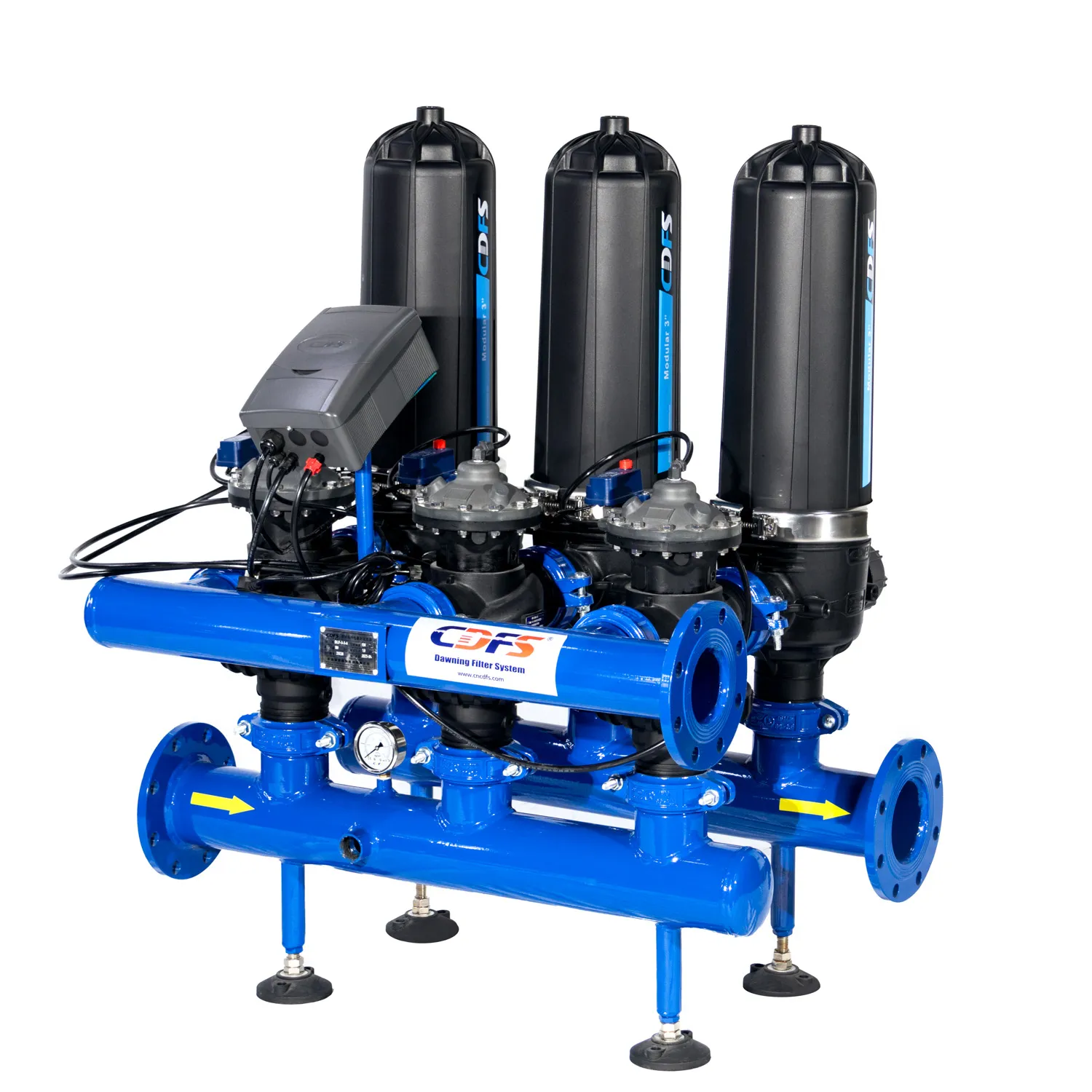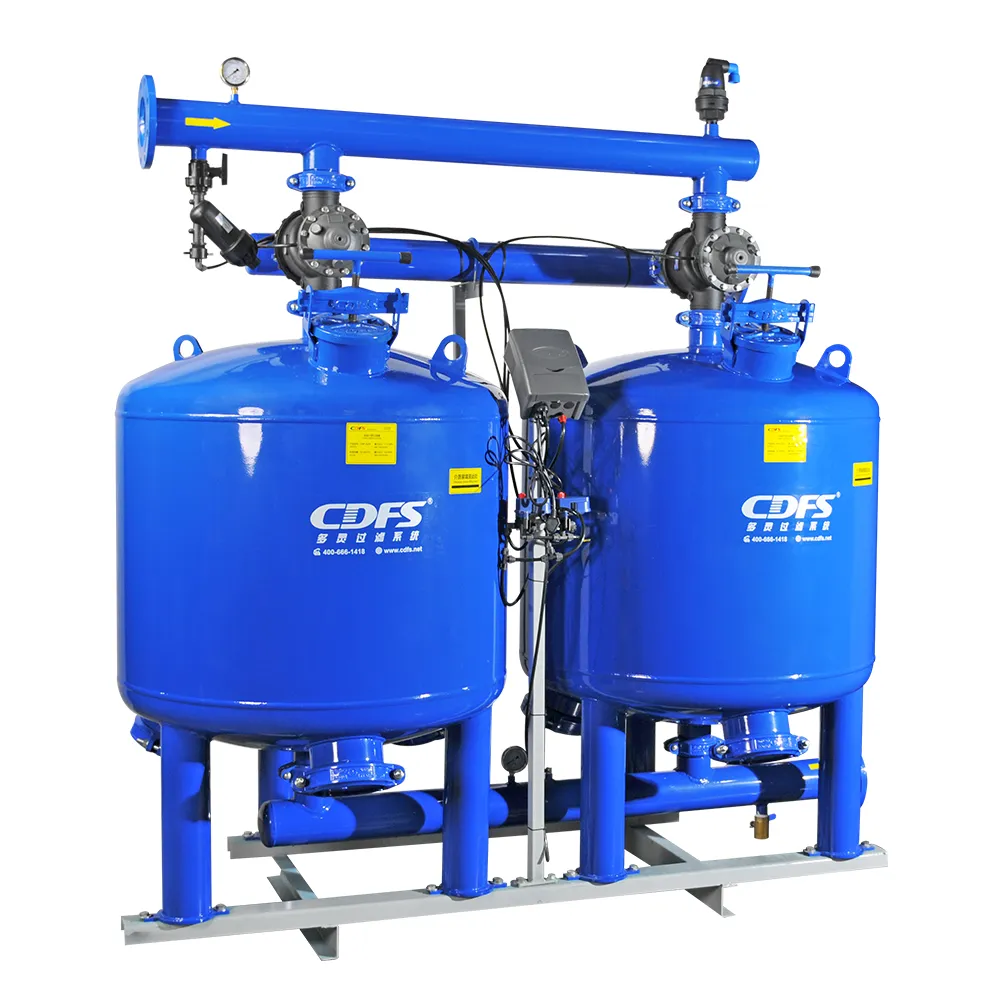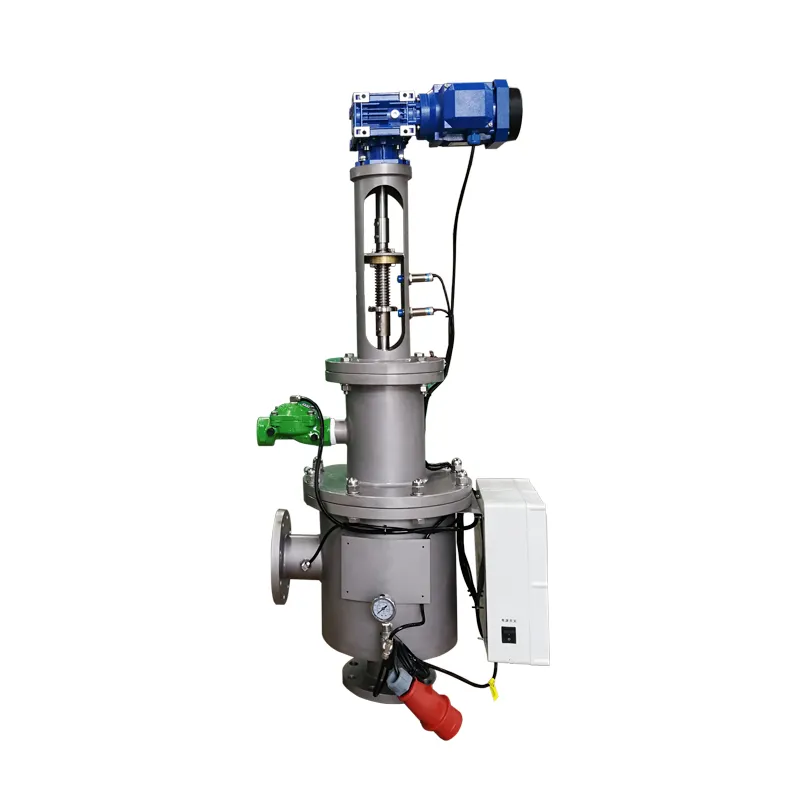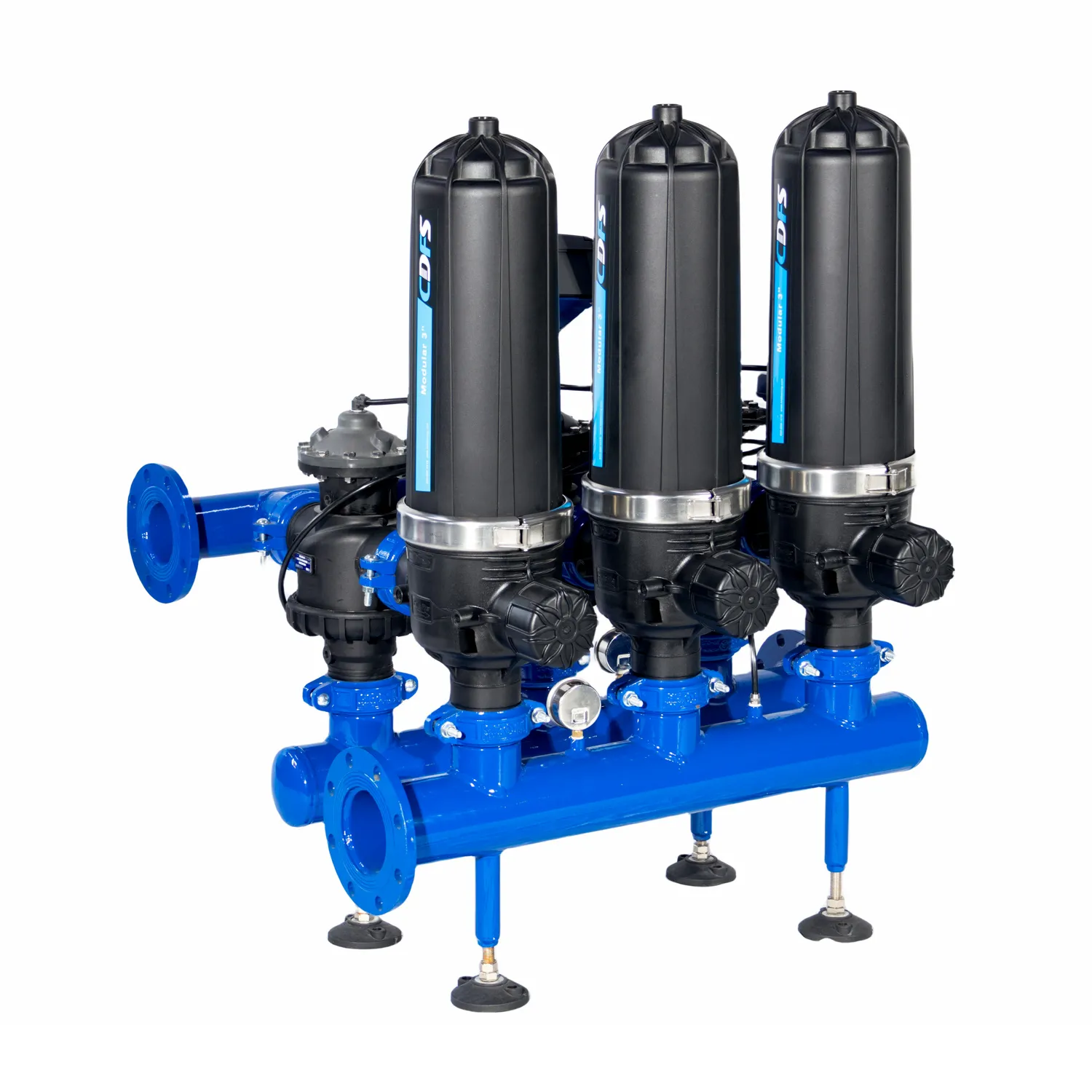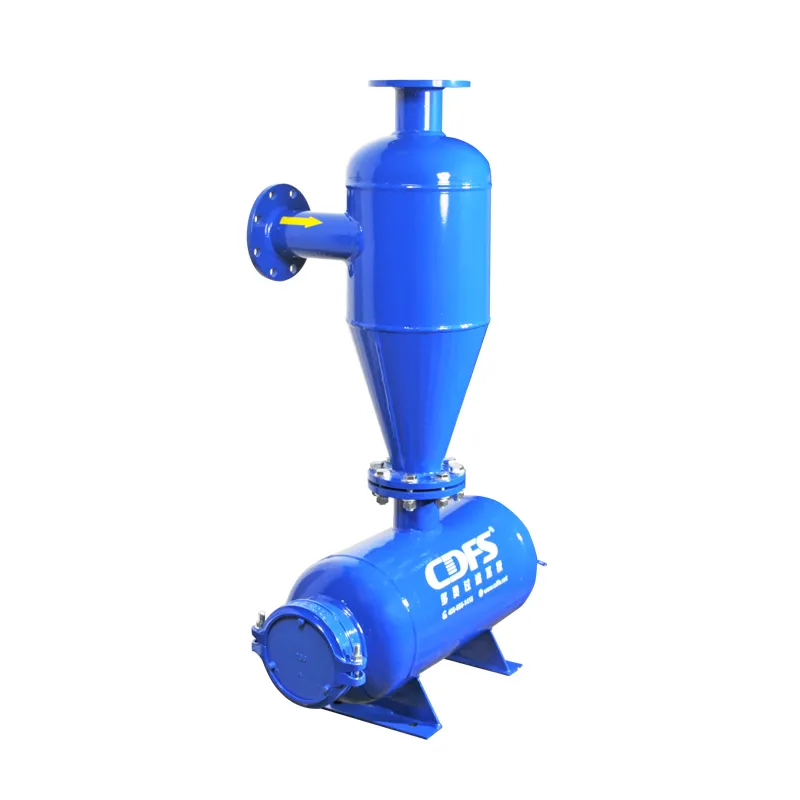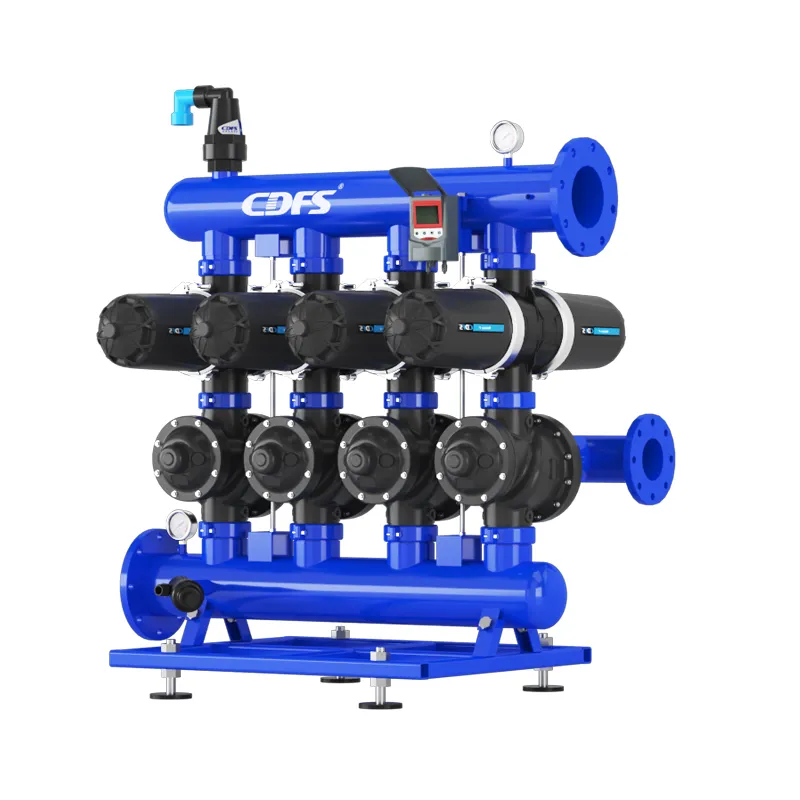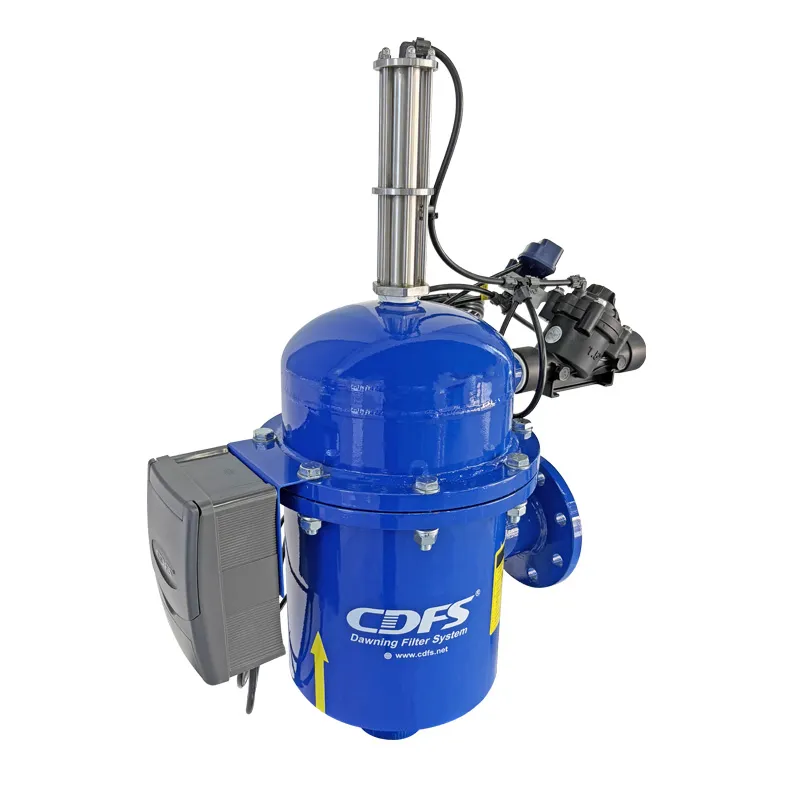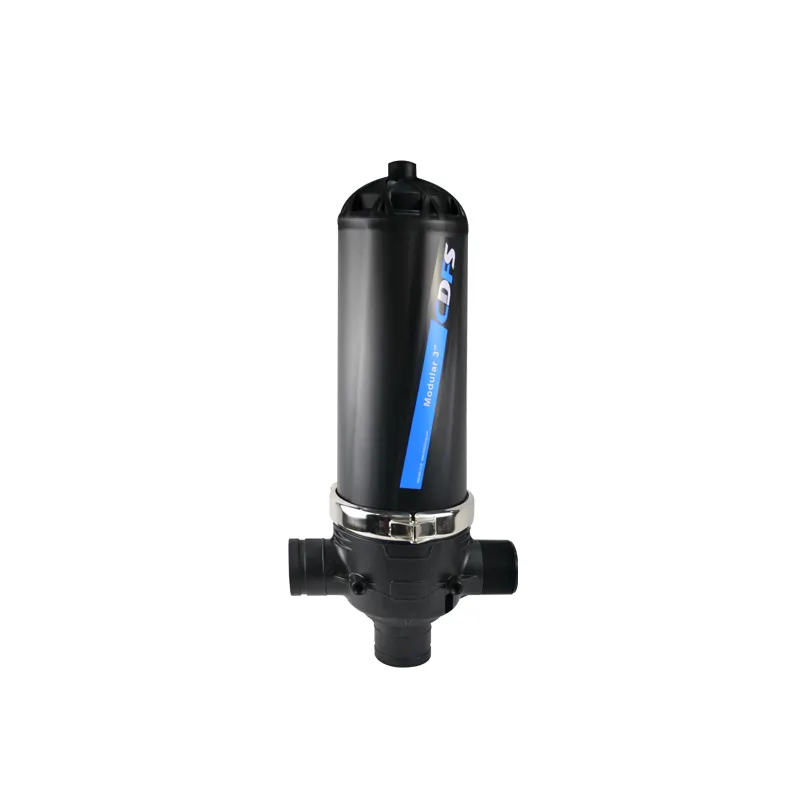
Durability and efficiency are top priorities at deep bed filtration system factory, where high-grade raw materials such as stainless steel, fiberglass, and corrosion-resistant coatings are used. This ensures that each filter operates efficiently under high-pressure or chemically harsh environments. With robust construction and extended media life, the filtration systems produced offer lower maintenance costs, longer service intervals, and reliable performance even in challenging operational settings.
Most deep bed filtration system factory have strict protocols for media loading and pre-treatment. Sand, gravel, and other filtration materials are washed, sieved, and dried to eliminate dust and fine particles. This preparation ensures that once inside the filter, the media maintains its structure, resists compaction, and enables optimal flow rates without clogging or early degradation over time.
Q: How do Media filter factory products contribute to water conservation? A: By efficiently removing suspended particles, Media filter factory systems reduce clogging in downstream equipment like drip lines or nozzles. This improves water distribution efficiency and lowers the need for system flushing, thus conserving both water and energy. Q: What distinguishes Media filter factory media filters from cartridge filters? A: Unlike cartridge filters that require frequent replacement, media filters from Media filter factory use a reusable bed of granular material. They offer longer operation cycles, are more economical over time, and are better suited for large-scale or high-debris water sources. Q: Are Media filter factory systems customizable for different water qualities? A: Yes, Media filter factory offers customizable configurations to suit varying water conditions. Media type, tank size, flow rate, and backwash settings can all be adjusted to meet specific filtration needs in different environments. Q: What role does tank design play in the performance of Media filter factory filters? A: The tank structure in Media filter factory filters is engineered to optimize flow dynamics and support the layered media. Proper design prevents channeling, enhances contact time, and maximizes the overall efficiency of contaminant removal. Q: How do users monitor the condition of Media filter factory systems? A: Most Media filter factory systems include pressure gauges and control valves to monitor filter performance. A rise in differential pressure typically indicates that backwashing is needed, helping operators maintain optimal function without guesswork.
Very durable and clog-resistant. We installed this filter in our drip irrigation system, and it has been performing flawlessly for several months.
This media filter softens our irrigation water while removing suspended solids effectively. It prevents blockages and scaling, which has improved overall system reliability.
To protect the privacy of our buyers, only public service email domains like Gmail, Yahoo, and MSN will be displayed. Additionally, only a limited portion of the inquiry content will be shown.
Is it possible to customize disc size and groove depth for different filtration precision? We have v...
Can your irrigation filters be automated for timer-based backwashing? Looking for solutions to reduc...



 EN
EN
 FR
FR
 NL
NL
 RU
RU
 AR
AR
 VI
VI
 LO
LO
 RO
RO
 TH
TH
 MY
MY
 MS
MS
 PT
PT
 ES
ES
 KO
KO
 BE
BE
 JA
JA
 FIL
FIL
 KA
KA
 DE
DE
 IT
IT